How Google Evaluates AI Content Systems (Beyond AI Detection Myths)
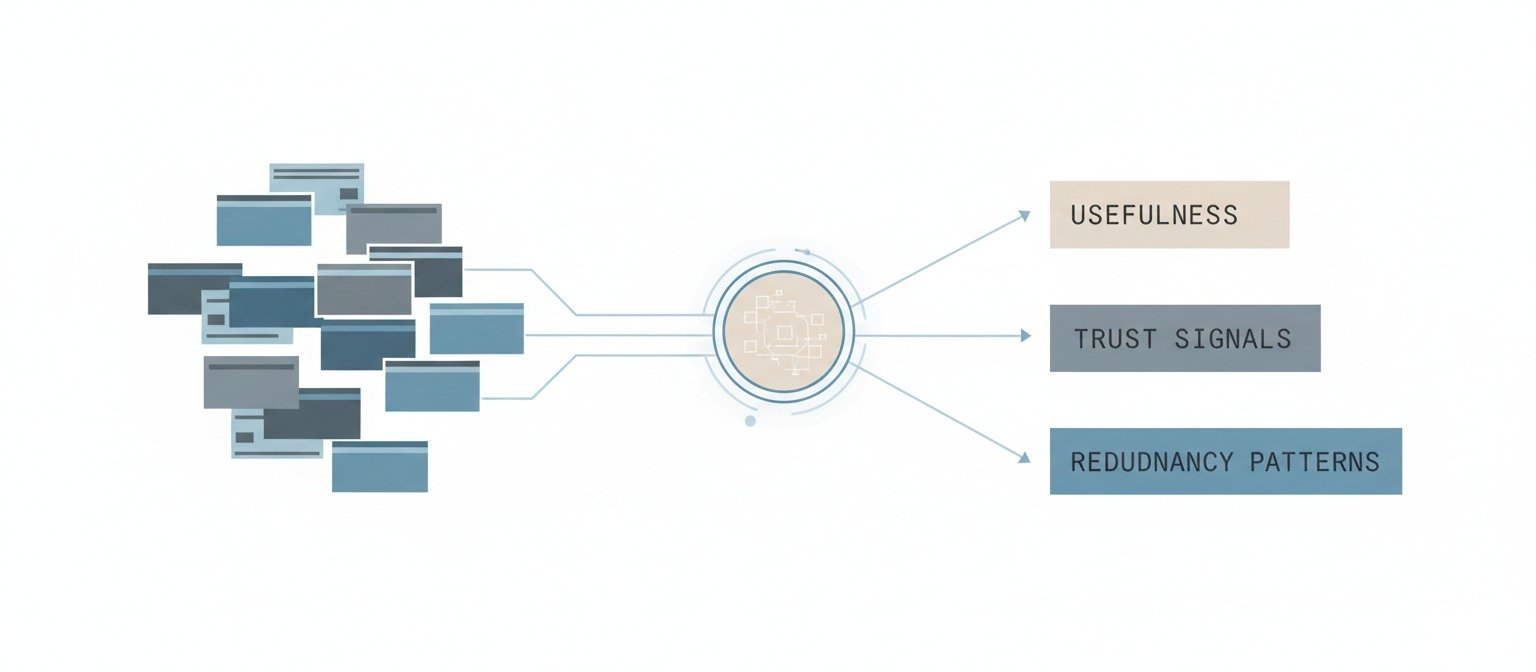
Google doesn’t need an “AI detector” to evaluate content. It evaluates outcomes—usefulness, trust, originality signals, and system footprints created by scaled publishing systems.
This section explains why failures happen at a system level.
Where failures document symptoms, mechanisms explain cause and structure.
This category focuses on how automation behaves underneath the surface, including:
The goal is not tactics—it’s understanding.
To preserve clarity, this section avoids:
Mechanisms explain how systems behave, not how to “fix” them quickly.
Most advice explains what to do.
Very little explains why things behave the way they do.
Without mechanism-level understanding:
This category exists to build mental models, not dependency.
Google doesn’t need an “AI detector” to evaluate content. It evaluates outcomes—usefulness, trust, originality signals, and system footprints created by scaled publishing systems.
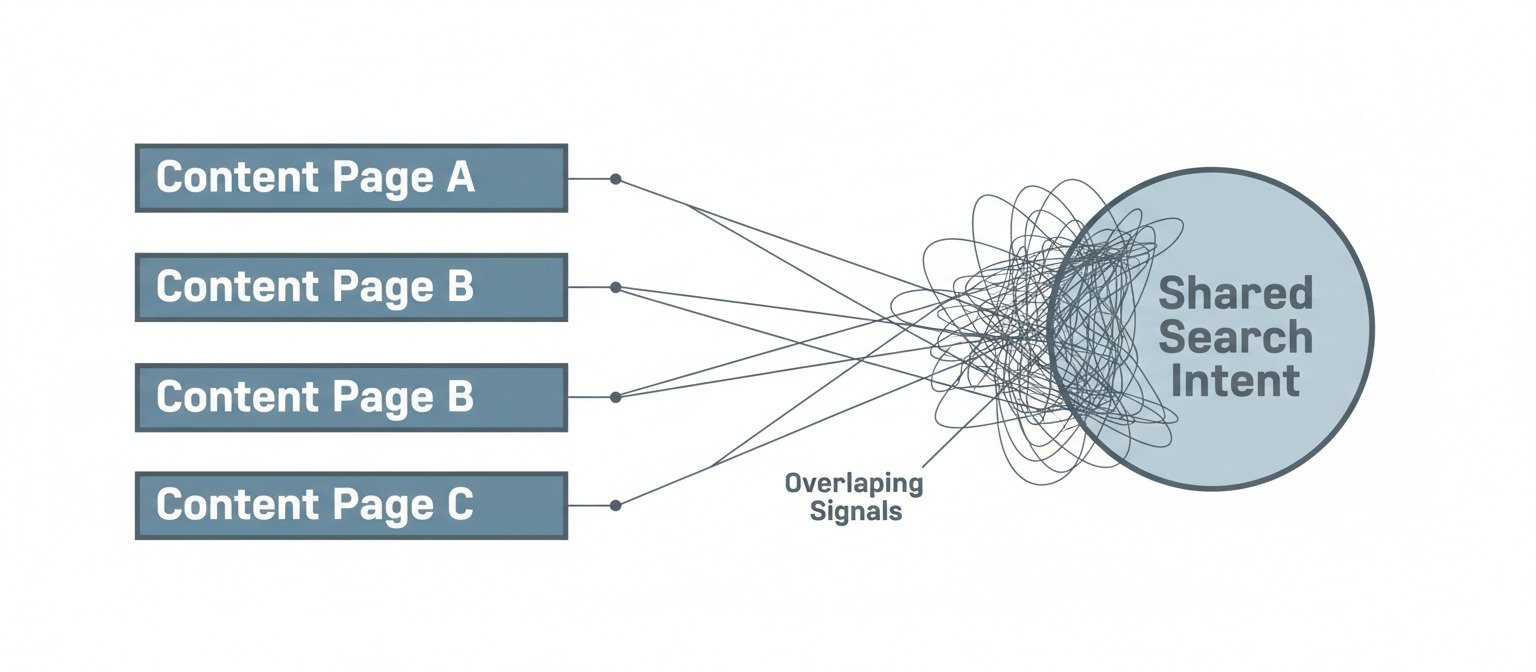
AI content cannibalization issues arise when AI-generated pages unintentionally target the same search intent, causing authority to split instead of compound. This problem starts at the system and structure level, not at the keyword level, which is why many AI-driven sites publish consistently but never achieve stable visibility.
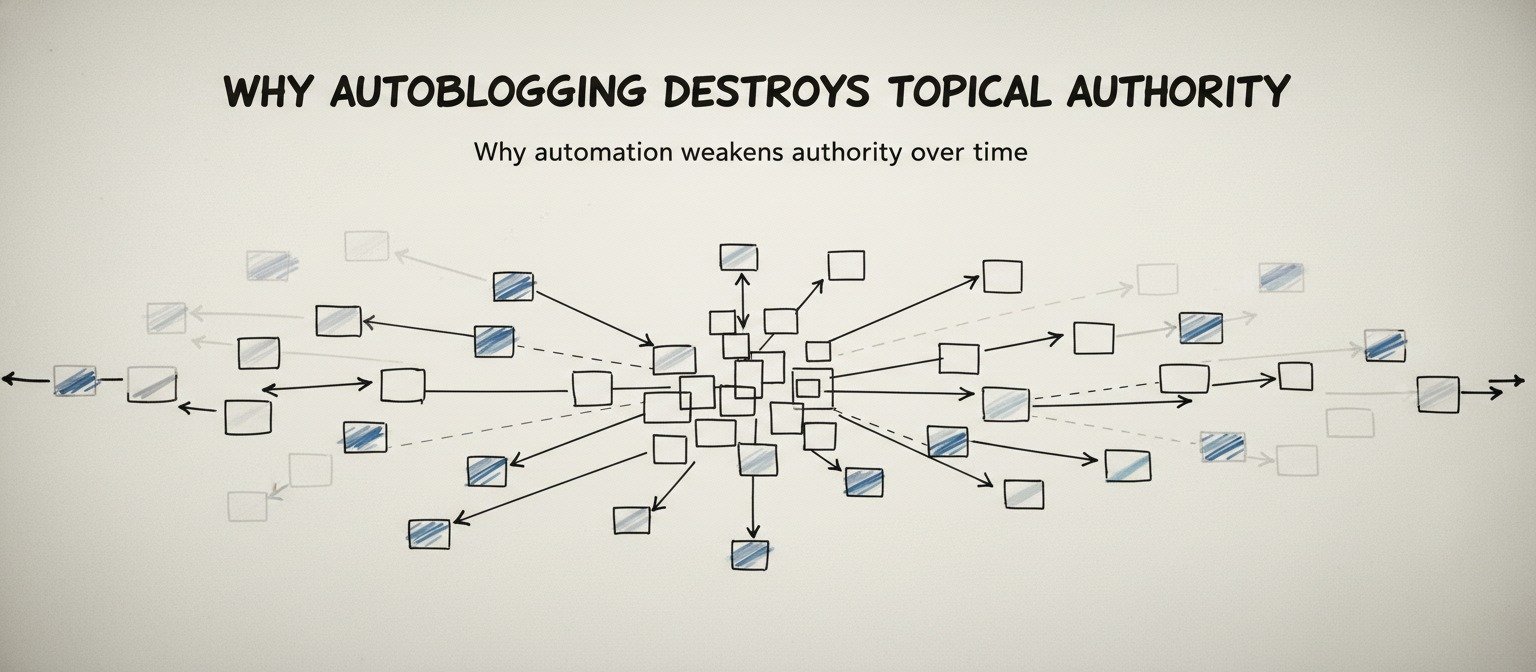
Autoblogging often looks productive at first. Content publishes consistently, pages get indexed, and early impressions may appear. But over time, many autoblogged sites lose topical authority. The problem is not AI or automation itself. It is that automated publishing scales intent overlap, weak reinforcement between pages, and ignores feedback signals that search systems rely on to identify expertise.
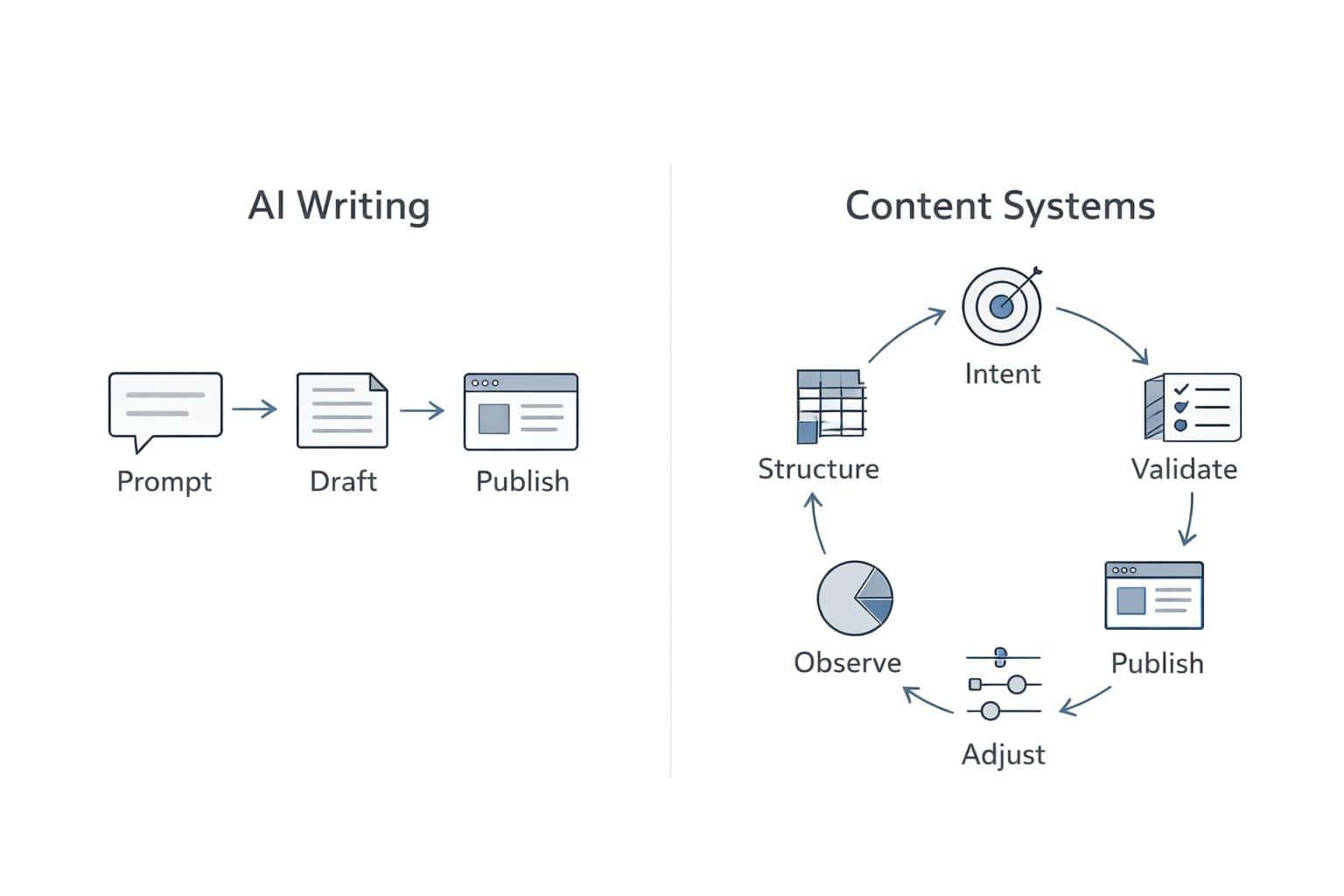
AI writing vs. content systems explained through structural comparison. Learn how generation differs from orchestration and why system design influences indexing, visibility, and long-term content behavior.
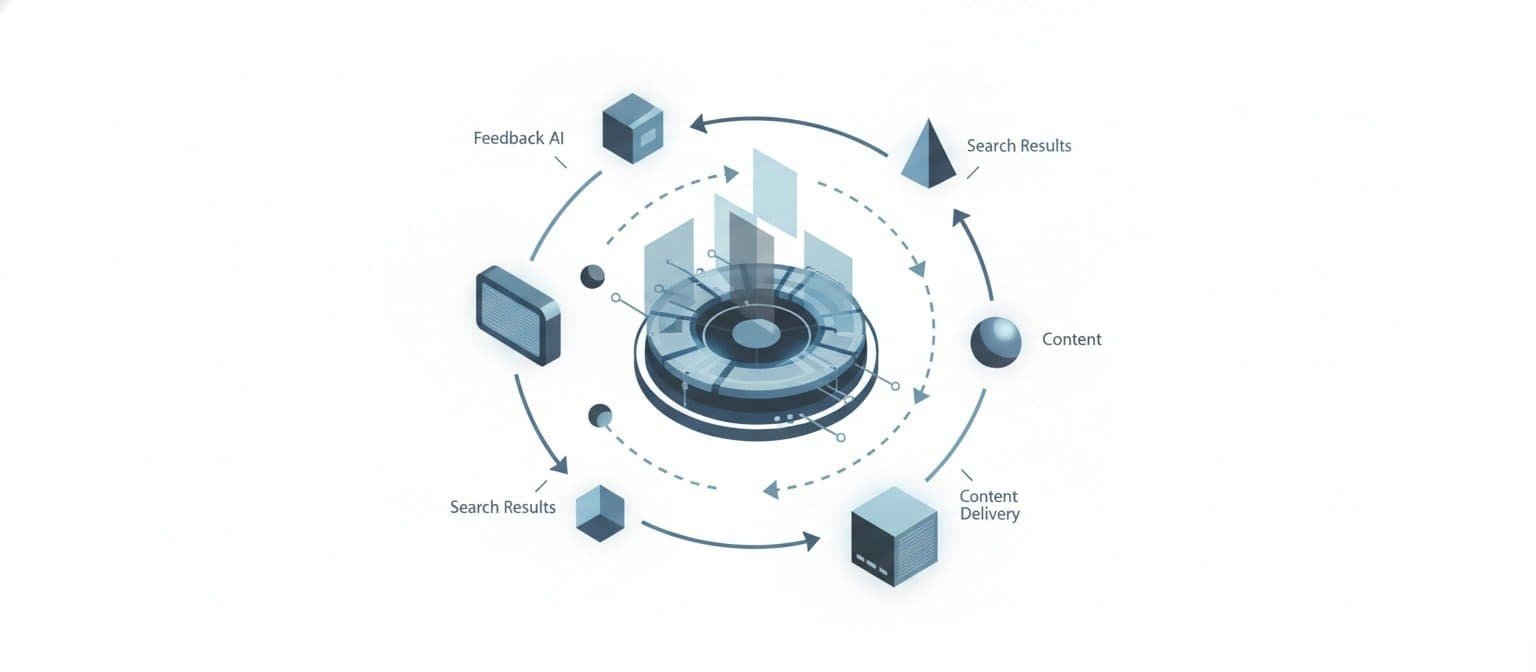
AI driven content systems are often described as improving through iteration, yet real search environments rarely behave that simply. Signals are incomplete, responses are delayed, and interpretation layers introduce uncertainty. This article examines how feedback loops actually function within SEO ecosystems, exploring the constraints, distortions, and structural interactions that shape visibility outcomes beyond the common optimization narrative.
AI content automation does not work just by producing more pages. It works when it creates a system that search engines can test, evaluate, and reinforce over time. This article explains how automated content moves from simple publishing to real visibility inside Google’s search system.