Quick answer: Why AI blogs get no traffic is usually not because the writing is bad or because Google blocks AI. It happens because the site never earns a testing role inside the search system. Without clear topic focus, user reinforcement, and structural signals, the pages remain invisible even when they are indexed.
If you search for why AI blogs get no traffic, most advice talks about content quality or says AI cannot replace humans. That explanation feels comforting, but it does not match what many site owners see in practice. Many AI blogs publish clean, readable content and still receive zero impressions. That pattern points to a system issue, not a grammar issue.
Most AI blogs fail before ranking even becomes relevant. They fail at being selected for testing. Google does not simply rank pages. It introduces new pages slowly, watches how they behave, and then decides whether they deserve wider exposure. If a page never proves its usefulness, the system quietly moves on.
What “No Traffic” Actually Means In Practice
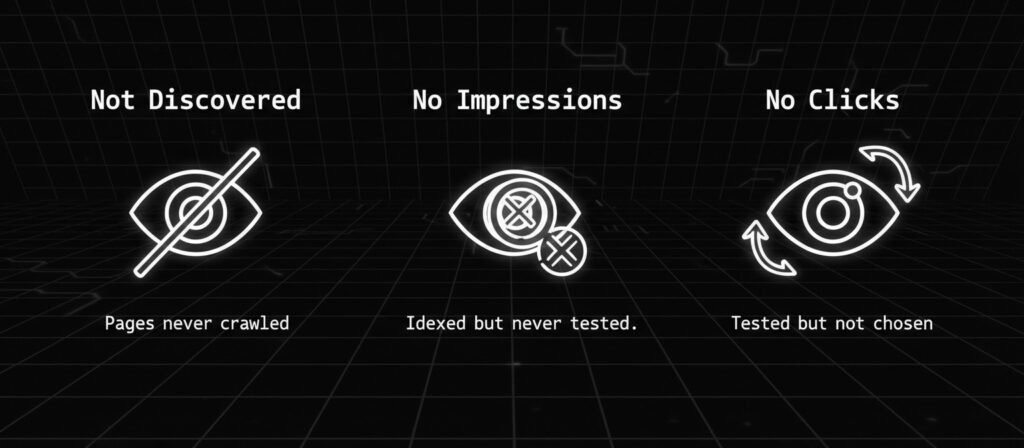
When someone says their AI blog gets no traffic, the situation usually fits one of three states.
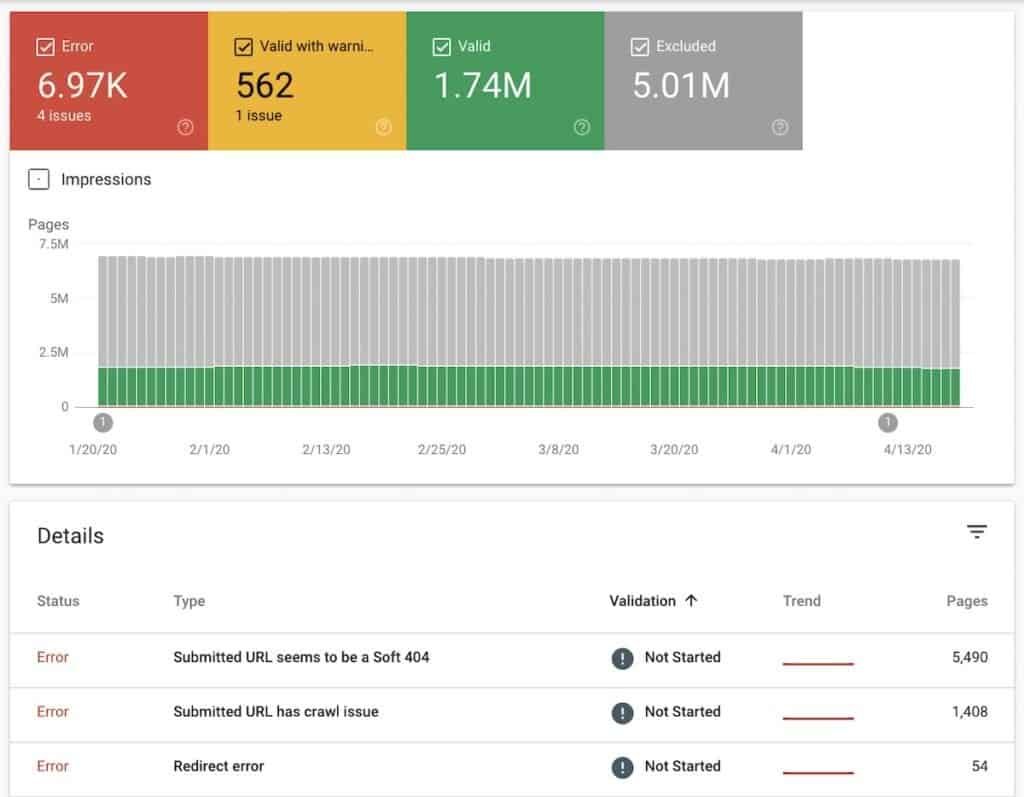
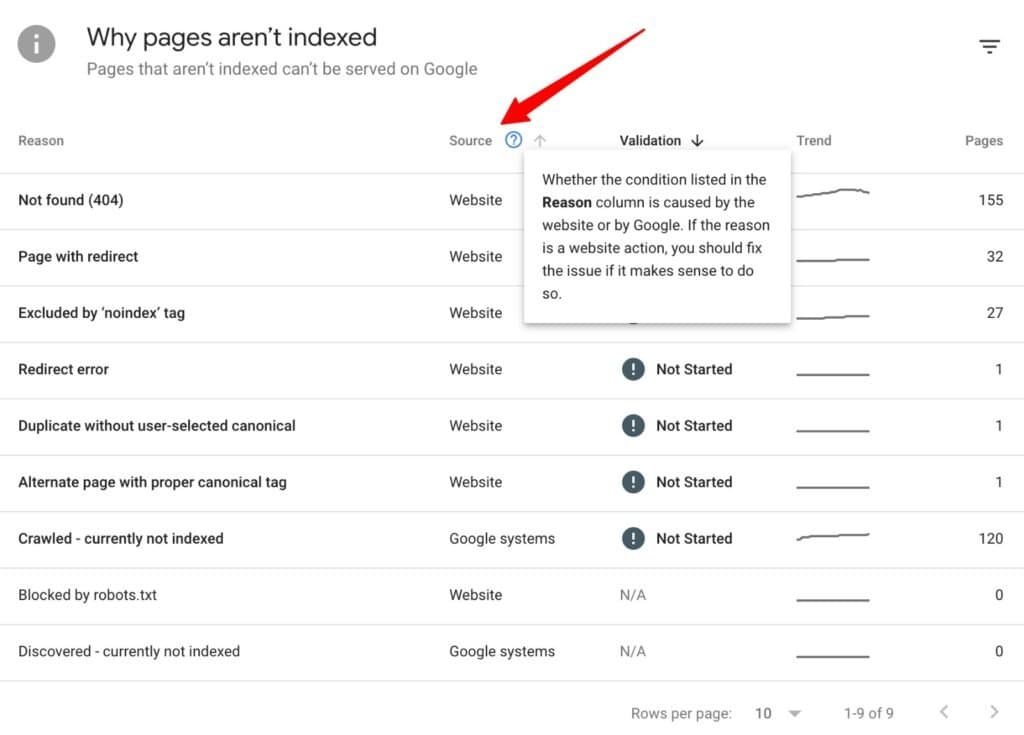
Some sites are published but never properly discovered. These sites struggle with crawling and indexing, often because of weak internal structure or poor technical signals.
Other sites are indexed but receive no impressions. This means the pages exist in Google’s database but are never chosen for real searches. This is the most common problem for AI blogs.
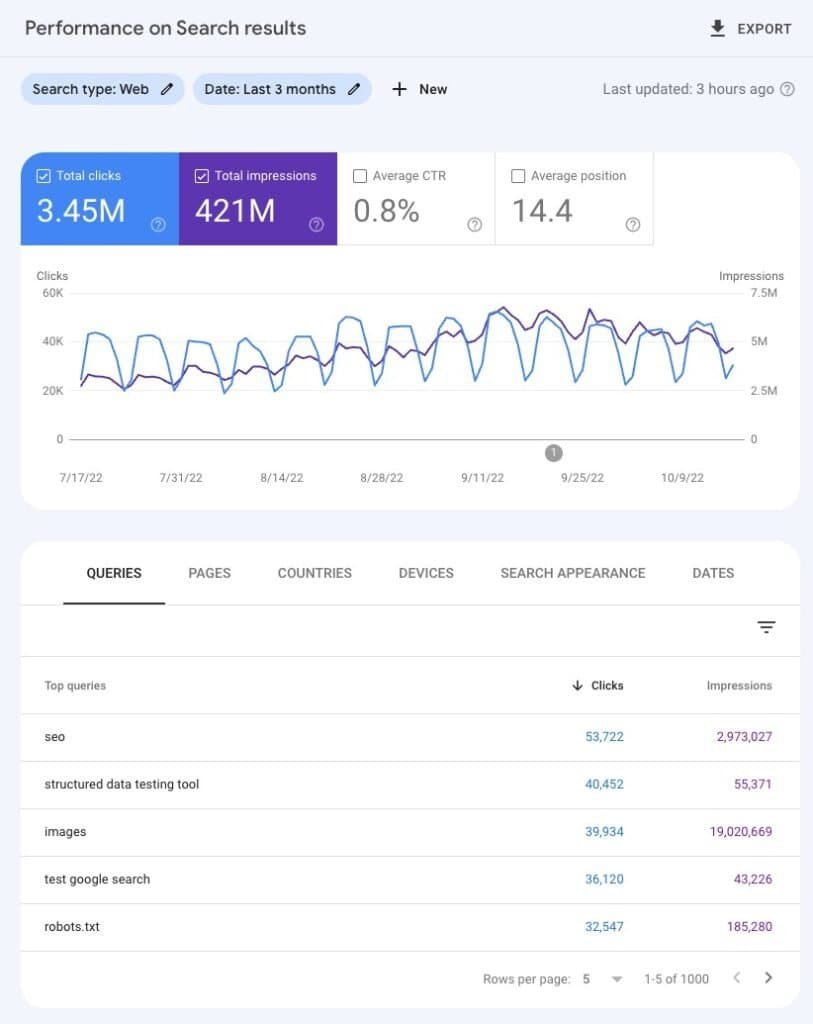
A third group gets impressions but almost no clicks. This usually means the topic does not match real user intent or the page looks interchangeable with many others.
Each of these situations points to a different failure stage. Treating them all as a “content problem” hides the real cause.
How The Visibility System Works
Search engines follow a pattern that looks simple on the surface but has strict filters inside.
A page is published.
It is crawled.
It is indexed.
Then it may receive limited exposure. User behavior is measured. The system decides whether to expand or suppress visibility. Ranking is not the first step. Testing is.
This explains why many AI blogs feel ignored. Their pages reach indexing, but the system never finds a reason to invest in them further.
When pages do receive testing but fail to gain traction, they often experience the gradual ranking decline documented in our analysis of post-launch decay. Testing without reinforcement leads to withdrawal.”
Why AI blogs fail at the testing stage
This is the core reason behind why AI blogs get no traffic.
Most AI blogs do not fail because they use AI. They fail because they send weak signals about what they are and why they exist.
Lack of topic identity
AI blogs often publish across many topics. One day about SEO, another day about finance, another day about health. To a human, this looks productive. To a system, it looks undefined. A site without a clear subject does not build authority around anything.
No meaningful differentiation
AI text tends to average existing patterns. It explains things correctly but rarely uniquely. When Google compares similar pages, it looks for reasons to prefer one over another. If your page looks like many others, the system has no incentive to test it further.
Internal competition
Many AI blogs target the same idea with slightly different titles. These pages compete with each other instead of supporting each other. Instead of creating one strong signal, the site creates confusion about which page matters.
No reinforcement loop
Most AI blogs publish and wait. They do not build paths between pages. They do not attract returning visitors. They do not generate mentions or references. Each page stands alone. This tells the system that the content is disposable, not necessary.
Zero-click searches are not the main enemy
AI answers and search snippets do reduce traffic for simple questions. This affects topics like definitions and short explanations. However, many blogs still grow because they focus on topics that require depth, decisions, or step-by-step understanding.
Queries that survive include how to choose, how to fix, how to compare, and how to build. These topics require context and trust. That is where blogs still matter.
What trust looks like to a search system
Trust does not come from saying you are trustworthy. It comes from observable effort.
This often appears as clear authorship, real examples, specific explanations, and consistent updates. It also appears when content shows limits, tradeoffs, and real-world constraints instead of generic optimism.
Search systems respond to signals of responsibility and usefulness, not to labels.
What most AI blogs never add
Most AI blogs only publish text. They rarely include diagrams, workflows, tools, or structured guidance. They do not show how ideas connect across pages. They do not build a learning path.
A blog that adds original structure becomes more than content. It becomes a reference. That difference matters more than whether AI wrote the first draft.
A simple diagnostic workflow
Before blaming AI, check where your site is failing.
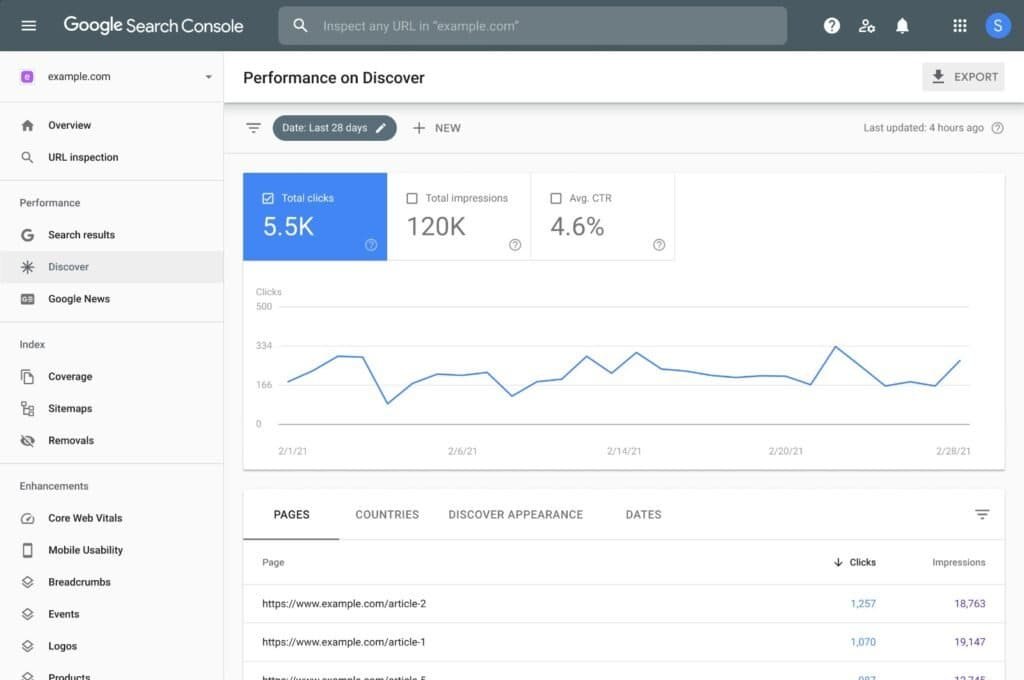
Look in Search Console and see whether pages are indexed and whether they receive impressions.
Review your topics and ask whether they belong to one clear subject or many.
Look for pages that target the same idea repeatedly.
Check whether your site has a main hub or only scattered posts.
Look at your keywords and ask whether they require depth or just quick answers.
This tells you which system layer needs work.
Real failure patterns seen in practice
Some AI blogs get indexed but never appear in search. These usually lack topic focus. A clear pillar and fewer, deeper pages often fix this.
Some AI blogs get impressions but no clicks. These usually target generic queries. Reframing content around decisions and processes helps.
Some AI blogs spike and then drop. This often means the system tested them and found weak engagement or overlap. Consolidation and differentiation usually help.
Real failure patterns seen in practice
Some AI blogs get indexed but never appear in search. These usually lack topic focus. A clear pillar and fewer, deeper pages often fix this.
Some AI blogs get impressions but no clicks. These usually target generic queries. Reframing content around decisions and processes helps.
Some AI blogs spike and then drop. This often means the system tested them and found weak engagement or overlap. Consolidation and differentiation usually help.
What actually works for AI assisted blogs
AI works best when it supports a system instead of replacing one.
A minimal working structure includes one niche, one main pillar page, and a small group of supporting pages that solve different problems. Each page should connect naturally to others. Each page should offer something beyond rewritten text.
This creates signals of purpose, not just volume.
Frequently Asked Questions
Why is my blog not getting traffic?
If your blog is not getting traffic, first confirm what is missing: impressions or clicks. If impressions are near zero, Google is usually not testing your pages, even if they are indexed. Common causes include unclear topic focus, weak internal linking, overlapping pages that compete with each other, and targeting queries that Google satisfies directly on the results page. Google also notes practical issues like viewing the wrong property in Google Search Console or waiting for recrawls after changes.
Is blogging still profitable with AI?
Blogging can still be profitable, but the path usually looks different now. Ads on generic informational posts tend to be harder because click opportunities can shrink when the answer appears on the search results page. Many creators shift toward topics that support decisions, build trust, or lead to products and services. Others rely more on email lists, communities, or direct audience channels instead of only search traffic. This is a strategy question more than a yes or no.
Does AI reduce website traffic?
AI can reduce traffic for some queries, especially when AI summaries appear on the search results page and users do not need to click. Research has found lower click rates when AI summaries are present, compared with results pages without them. That said, impact varies by topic. Queries that need depth, comparison, or step-by-step guidance can still earn clicks, but they usually require clearer differentiation and better on-page usefulness.
Why does 96.55% of content get no traffic from Google?
That number comes from a large study by Ahrefs. They report that 96.55% of pages in their dataset received no organic traffic from Google. This does not mean every page should get traffic. It does highlight how competitive the web is and why many pages never earn meaningful exposure. In practice, pages are more likely to win when they target realistic intent, add unique value beyond generic explanations, and attract reinforcement signals like mentions and links.
These articles expand on specific failure layers that support this main explanation.
Final takeaway
The real reason why AI blogs get no traffic is not the use of AI itself. It is the lack of system eligibility. Publishing creates pages. Structure creates visibility. Reinforcement creates growth.
If your blog feels invisible, it is not broken. It simply has not given the system a reason to care yet.
Alex founded AutomationSystemsLab after watching too many AI-built websites fail quietly months after launch. He systematically analyzes why AI-driven websites and content automation systems fail — and maps what actually scales for long-term SEO performance. His research focuses on system-level failures, not tool-specific issues.
Diagnostic Mission: To identify automation failure patterns before they become permanent, and provide system-first frameworks that survive algorithm shifts, vendor churn, and market noise. Alex documents observable system behavior, not hype cycles.
EEAT Commitment
Experience: 3+ years documenting AI automation failure patterns across 500+ sites
Expertise: System-level analysis of content automation workflows and SEO decay
Authoritativeness: Referenced by SEO platforms and cited in automation discussions
Trustworthiness: Full transparency on methodology, funding, and editorial independence
Every analysis published on AutomationSystemsLab follows the Editorial Governor: no affiliate pressure, no vendor influence, just documented system behavior. Alex tracks what breaks, why it breaks at the structural level, and how to build automation that compounds rather than decays.